Switzerland in één oogopslag
Switzerland rewards travellers who want more than a checklist of landmarks. It is a country whose landscapes, political institutions, economy, cities, food and historical memory are tightly connected. Understanding those connections makes a trip more meaningful: the shape of the land helps explain regional cuisines and settlement patterns; the political system helps explain why local identities remain strong; economic geography explains why some cities feel like industrial capitals while others are built around agriculture, ports, universities or tourism. This guide is designed as a long-form introduction for travellers, students and curious readers who want both practical advice and enough background to understand what they are seeing.
The basic facts provide a useful starting point. The capital is Bern (federal city and de facto capital). The population is 9,092,436 (World Bank, 2025), and the country covers about 41,300 km². Its political system is a federal state with strong direct-democratic institutions, while its territorial organisation is built around 26 cantons and more than 2,000 communes, with powers divided among Confederation, cantons and communes. The currency is the Swiss franc (CHF). German, French, Italian and Romansh are national languages, with different official use by region and institution. Switzerland is not an EU member; it participates in Schengen and has extensive bilateral agreements with the EU.
These facts matter for travel. Administrative boundaries often correspond to real differences in language, architecture, food, transport policy and public life. A journey that crosses several regions can therefore feel like a sequence of distinct cultural worlds rather than one uniform national experience. That regional complexity is one of the main reasons Switzerland supports repeat travel so well.
Geography: how the land shapes the country
Switzerland's physical geography is unusually important to its identity. Key geographic zones include the Alps, which dominate the south and centre, the Swiss Plateau, where much of the population and many major cities are concentrated, the Jura Mountains in the northwest, major lakes including Geneva, Constance, Lucerne and Zurich, important headwaters for major European river systems, and deep valleys and high mountain passes that have shaped settlement and transport. These landscapes determine where people live, how cities developed, what crops can be grown, where industry concentrated and how transport networks evolved. Mountains create natural barriers and cultural pockets, rivers form trade corridors, coasts connect the country to wider maritime systems, and fertile plains often become demographic and economic cores.
Switzerland’s climate varies strongly with elevation and exposure. Lowland cities have four distinct seasons, Alpine areas receive heavy snowfall, and southern Ticino can feel almost Mediterranean. Weather changes rapidly in mountain environments, making local forecasts and elevation-specific planning important. For travellers, this means that the idea of a single national weather pattern is misleading. Packing and route planning should be based on the specific region and elevation rather than on the country name alone. A coastal city break, an inland cultural journey and a mountain itinerary can require very different clothing and daily schedules even in the same month.
Geography also explains why regional identity remains so visible. Historic communities developed around valleys, ports, plains, islands and river basins that were once more isolated from one another than they are today. Modern roads and railways have reduced travel times, but older patterns remain visible in accents, cuisine, architecture and economic specialisation. When travellers move slowly enough to notice those transitions, the country becomes easier to read.
From a tourism perspective, geographic diversity is a major advantage. A visitor can often combine urban culture, rural landscapes, mountain scenery and coastline in one trip without crossing an international border. That range also spreads travel across different seasons: winter may favour snow regions and museums, spring and autumn favour cities and food-focused travel, while summer expands the possibilities for coasts, lakes and high-altitude hiking.
Government and political system
Switzerland is organised as a federal state with strong direct-democratic institutions. The institutional details differ from country to country, but for travellers the most useful point is that national government is only one layer of public authority. Regional, state, provincial, cantonal or municipal governments frequently control areas that directly affect daily life, including public transport, land use, cultural institutions, local taxation, education, heritage management and tourism policy. In Switzerland, the territorial structure is 26 cantons and more than 2,000 communes, with powers divided among Confederation, cantons and communes.
This distribution of authority helps explain why public services and local rules can vary from one region to another. It also explains why regional capitals matter politically and culturally, even when the national capital receives most international attention. For a travel publication, describing government is not about turning a destination guide into a political textbook; it is about helping readers understand how the country is organised and why local identities have institutional weight.
Political institutions should also be understood historically. Modern constitutions and administrative systems usually emerged from earlier conflicts over monarchy, republicanism, federalism, centralisation, religion, regional autonomy, war and democratic reform. Those debates left physical traces in parliament buildings, monuments, memorials and urban plans. A visitor who understands the basic system will read those sites more intelligently.
For up-to-date political details such as office-holders, election results and current legislation, travellers should consult official government sources shortly before publication or travel. This article intentionally focuses on durable institutional structure rather than personalities, so that the core guide remains useful even when governments change.
Economy: what drives modern Switzerland
Switzerland's economy is built on a mix of pharmaceuticals and life sciences, banking, insurance and asset management, precision engineering and machinery, watches and high-end manufacturing, food and consumer brands, commodity trading and international business services, tourism and hospitality, and research-intensive technology and higher education. Switzerland is a small but exceptionally high-value economy. World Bank data show very high GDP per capita, while the country’s global competitiveness rests on skilled labour, research, specialised manufacturing, financial services and stable institutions. Zurich, Geneva, Basel and Lausanne each have different economic profiles, while many smaller cities and industrial valleys host export-oriented firms.
For visitors, economic structure is visible everywhere. Port cities have warehouses, docks and migrant neighbourhoods; industrial regions have company towns, design museums and engineering heritage; financial capitals have dense business districts and international populations; agricultural regions shape food markets and seasonal festivals; university cities often have younger populations and more experimental cultural scenes. Tourism itself can be a major local industry, but it operates differently in a historic capital, a ski resort, a coastal island and a rural wine region.
The relationship between tourism and the wider economy deserves attention. Popular bestemmingen benefit from visitor spending, but they can also face pressure on housing, infrastructure and historic centres. Strong travel writing should therefore encourage readers to distribute spending across local businesses, visit secondary bestemmingen, travel outside peak periods when possible and respect residential neighbourhoods. That approach improves the visitor experience while reducing some of the negative effects associated with overtourism.
Economic geography also matters when planning routes. Business centres tend to have excellent transport and year-round hotel demand. Resort regions may be highly seasonal. Rural areas can have limited public transport but stronger farm, food and outdoor experiences. Understanding these differences helps travellers set realistic expectations and choose the right pace.
A concise history for travellers
The history of Switzerland is too large to reduce to a handful of dates, but several turning points help explain the country travellers see today: the growth of the Old Swiss Confederacy, gradual territorial expansion and complex relations among autonomous cantons, religious conflict during the Reformation era, the creation of the modern federal state in 1848, the development of neutrality as a major foreign-policy tradition, and twentieth-century growth in finance, industry, international organisations and high-value exports. These periods shaped borders, languages, religious architecture, legal institutions, urban design and national memory.
A useful way to travel through history is to look for layers rather than a single narrative. Archaeological sites reveal earlier societies; medieval walls and cathedrals show how towns competed and defended themselves; palaces and government buildings reflect centralising states; railway stations, factories and workers' districts document industrialisation; war memorials and museums confront twentieth-century conflict; post-war architecture and infrastructure reveal reconstruction and modernisation.
It is also important not to treat heritage as frozen. Historic centres are living neighbourhoods, and national identity continues to be debated and reinterpreted. Museums increasingly place art and monuments in broader contexts that include empire, migration, class, religion and regional difference. Travellers who approach these discussions with curiosity rather than looking only for postcard images will gain a more complete understanding of the destination.
History is especially useful for route planning because different cities represent different eras. A capital may concentrate national institutions, while a former imperial city, port, university town or industrial centre tells another part of the story. Combining several types of place makes a trip more intellectually satisfying and visually varied.
Society, language and everyday culture
German, French, Italian and Romansh are national languages, with different official use by region and institution. Taal matters in travel not only for communication but also because it reveals identity. Street signs, place names, menus, music and local media often show cultural boundaries more clearly than political maps do. Learning a few basic words in the local language is both practical and respectful, even in bestemmingen where English is widely understood.
Social life in Switzerland varies between metropolitan centres, university cities, small towns, mountain communities, islands and rural districts. Visitors should avoid assuming that the lifestyle of the capital represents the entire country. Local schedules, meal times, attitudes toward public space, weekend routines and the rhythm of shops and restaurants can all change significantly by region.
Cultural institutions are among the best places to understand these differences. National museums present broad narratives, while local museums often explain the specific industries, migrations, folk traditions, landscapes and conflicts that shaped a region. Markets are equally revealing: they show what is in season, how people shop, which foods are genuinely local and how much of the visitor economy has been adapted for tourists.
The most rewarding approach is to alternate famous landmarks with ordinary urban and rural life. Spend time in residential streets, public parks, neighbourhood cafés, food halls, local transport and smaller museums. Those experiences often provide a stronger sense of place than another hour in a queue for a heavily photographed attraction.
Food and drink: a map of regional identity
Food in Switzerland is best understood regionally. Important traditions include cheese traditions such as fondue and raclette, regional alpine cheeses and charcuterie, rösti and other potato dishes, high-quality chocolate and confectionery, French-speaking wine regions around Lake Geneva and Valais, Italian-influenced food in Ticino, and regional breads, pastries and seasonal mountain cuisine. A national label can hide enormous differences in ingredients, cooking fats, breads, cheeses, wines, seafood, preserved foods and meal structure.
For travellers, the best strategy is to ask what is specific to the place rather than ordering the same famous national dish everywhere. Regional restaurants, market stalls, bakeries and family-run establishments usually reveal local identity more clearly than generic tourist menus. Wine, beer and non-alcoholic drinks also carry regional stories through geography, climate and agricultural history.
Food tourism works especially well when combined with other forms of travel. Vineyard visits make more sense when paired with the landscape that produces the grapes; seafood is more meaningful in fishing ports; mountain cheeses make sense after seeing alpine pastures; urban food traditions are often tied to migration and working-class history. This connection between food and place is one of the strongest themes for long-form travel content.
Travellers should also pay attention to meal schedules and reservation culture. In some regions, lunch remains the main meal; in others, dinner starts later than visitors from northern Europe or North America may expect. Popular restaurants in major cities can require booking, while rural areas may have limited opening days outside high season.
Major cities to know
Zurich
Zurich is the largest city and a major financial, cultural and transport centre on Lake Zurich. It deserves more than a quick stop because its neighbourhoods, museums, food scene and surrounding day trips reveal a distinct part of Switzerland. Travellers should balance headline attractions with at least one local district, market, park or museum that is not built entirely around international tourism. Doing so creates a more complete picture of the city and reduces the sense of moving from one queue to another.
Geneva
Geneva is an international city associated with diplomacy, humanitarian organisations, finance and Lake Geneva. It deserves more than a quick stop because its neighbourhoods, museums, food scene and surrounding day trips reveal a distinct part of Switzerland. Travellers should balance headline attractions with at least one local district, market, park or museum that is not built entirely around international tourism. Doing so creates a more complete picture of the city and reduces the sense of moving from one queue to another.
Bern
Bern is the federal city, known for its arcaded medieval centre and national institutions. It deserves more than a quick stop because its neighbourhoods, museums, food scene and surrounding day trips reveal a distinct part of Switzerland. Travellers should balance headline attractions with at least one local district, market, park or museum that is not built entirely around international tourism. Doing so creates a more complete picture of the city and reduces the sense of moving from one queue to another.
Lucerne
Lucerne is a compact lake city with mountain access, historic bridges and a classic Central Switzerland setting. It deserves more than a quick stop because its neighbourhoods, museums, food scene and surrounding day trips reveal a distinct part of Switzerland. Travellers should balance headline attractions with at least one local district, market, park or museum that is not built entirely around international tourism. Doing so creates a more complete picture of the city and reduces the sense of moving from one queue to another.
Basel
Basel is a Rhine city with world-class museums and a major pharmaceutical and life-sciences sector. It deserves more than a quick stop because its neighbourhoods, museums, food scene and surrounding day trips reveal a distinct part of Switzerland. Travellers should balance headline attractions with at least one local district, market, park or museum that is not built entirely around international tourism. Doing so creates a more complete picture of the city and reduces the sense of moving from one queue to another.
Lausanne
Lausanne is a French-speaking city on Lake Geneva, home to international sports institutions and a large student population. It deserves more than a quick stop because its neighbourhoods, museums, food scene and surrounding day trips reveal a distinct part of Switzerland. Travellers should balance headline attractions with at least one local district, market, park or museum that is not built entirely around international tourism. Doing so creates a more complete picture of the city and reduces the sense of moving from one queue to another.
Lugano
Lugano is a Ticino city combining Italian-speaking culture, lake scenery and nearby mountains. It deserves more than a quick stop because its neighbourhoods, museums, food scene and surrounding day trips reveal a distinct part of Switzerland. Travellers should balance headline attractions with at least one local district, market, park or museum that is not built entirely around international tourism. Doing so creates a more complete picture of the city and reduces the sense of moving from one queue to another.
Regions and landscapes worth exploring
Bernese Oberland
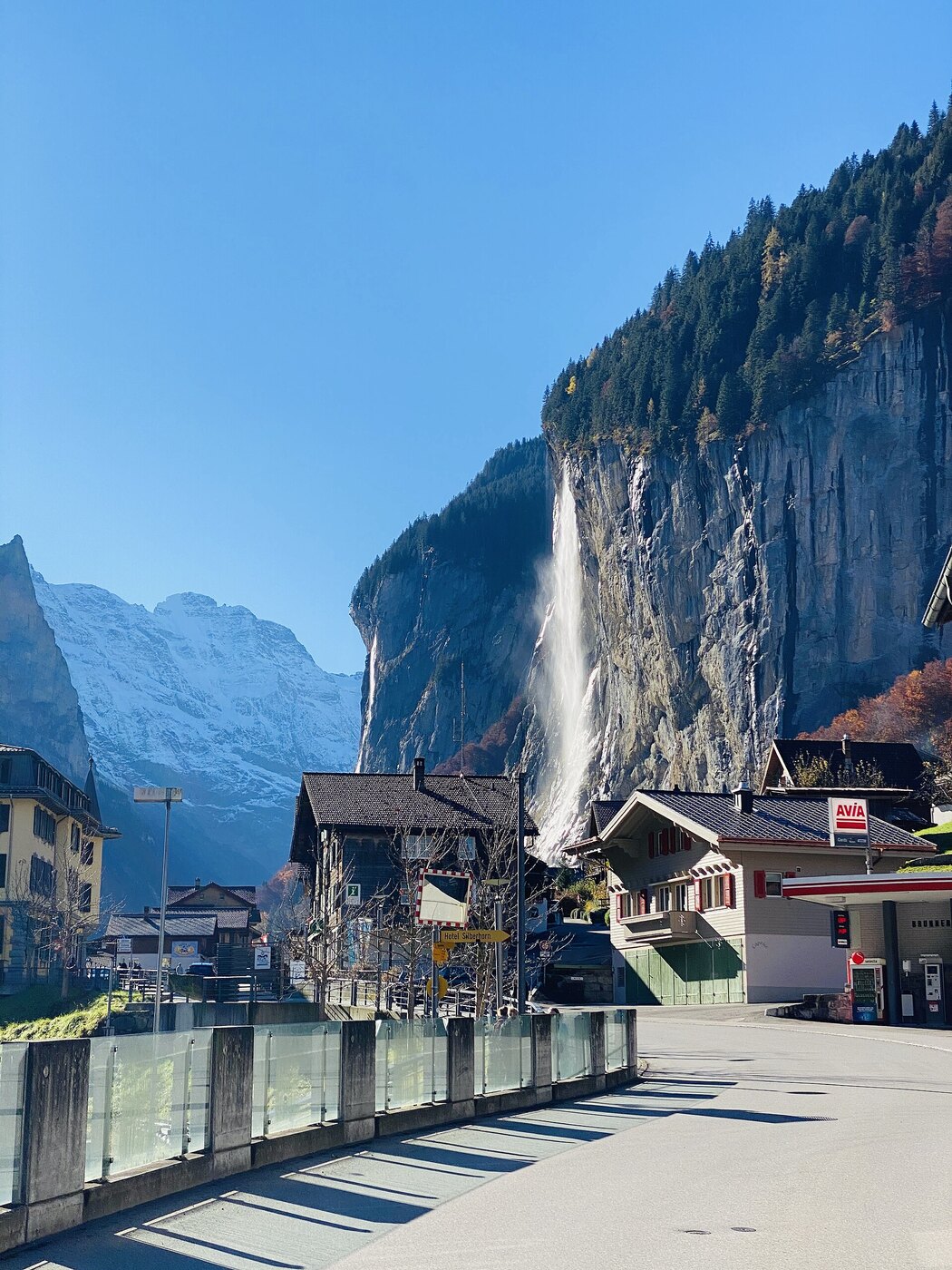
Bernese Oberland offers Interlaken, Lauterbrunnen, Grindelwald and high Alpine scenery. This is the kind of region where the trip improves when the itinerary slows down: stay long enough to understand local transport, food and landscape rather than treating the area as a single photo stop. Regional bases also make it easier to visit smaller towns and natural sites early or late in the day, outside the main excursion rush.
Valais
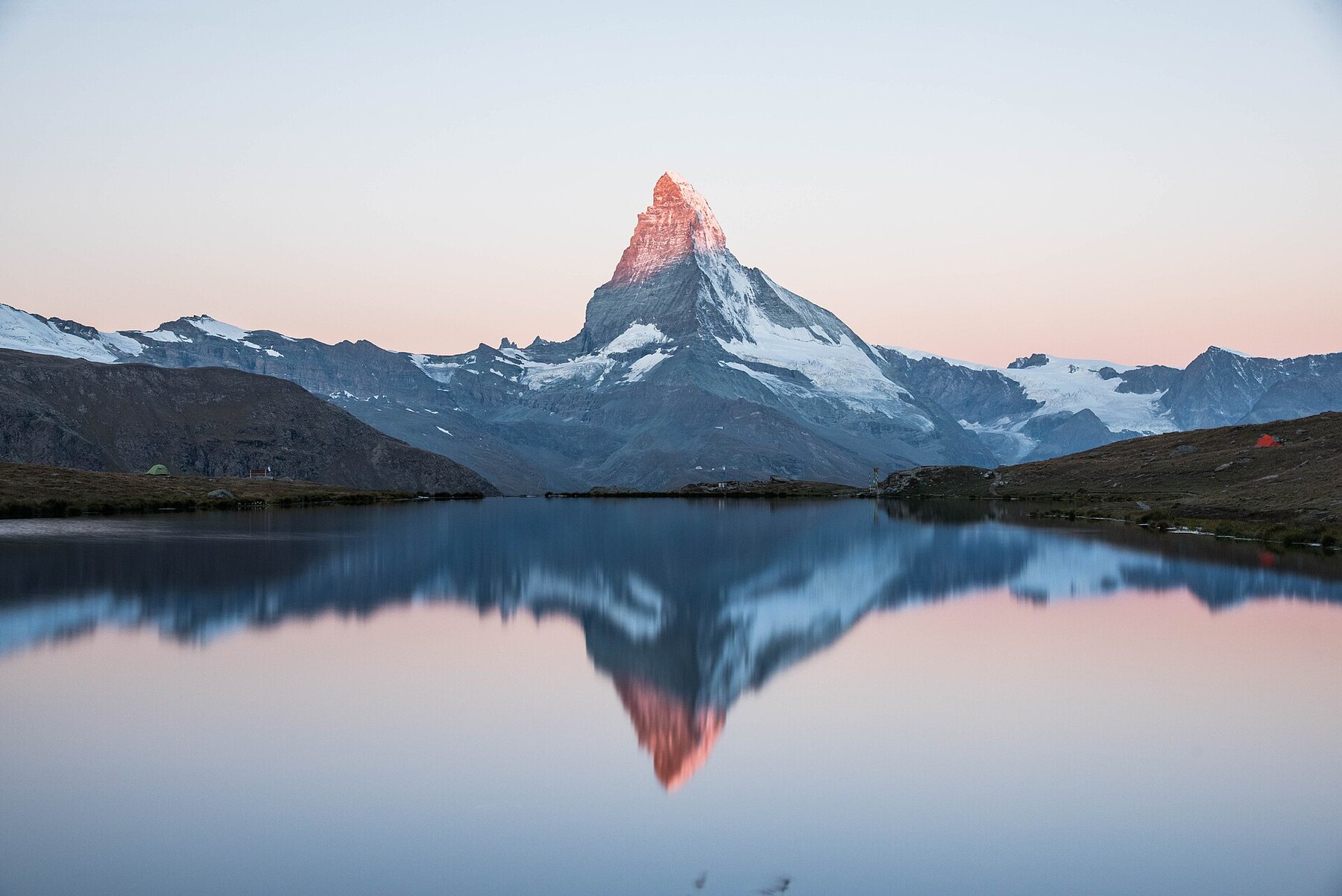
Valais offers Zermatt, the Matterhorn, glaciers, vineyards and major ski resorts. This is the kind of region where the trip improves when the itinerary slows down: stay long enough to understand local transport, food and landscape rather than treating the area as a single photo stop. Regional bases also make it easier to visit smaller towns and natural sites early or late in the day, outside the main excursion rush.
Graubünden
Graubünden offers St. Moritz, Engadin valleys, Romansh culture and extensive mountain railways. This is the kind of region where the trip improves when the itinerary slows down: stay long enough to understand local transport, food and landscape rather than treating the area as a single photo stop. Regional bases also make it easier to visit smaller towns and natural sites early or late in the day, outside the main excursion rush.
Lake Geneva region
Lake Geneva region offers Geneva, Lausanne, Montreux and UNESCO-listed Lavaux vineyards. This is the kind of region where the trip improves when the itinerary slows down: stay long enough to understand local transport, food and landscape rather than treating the area as a single photo stop. Regional bases also make it easier to visit smaller towns and natural sites early or late in the day, outside the main excursion rush.
Central Switzerland
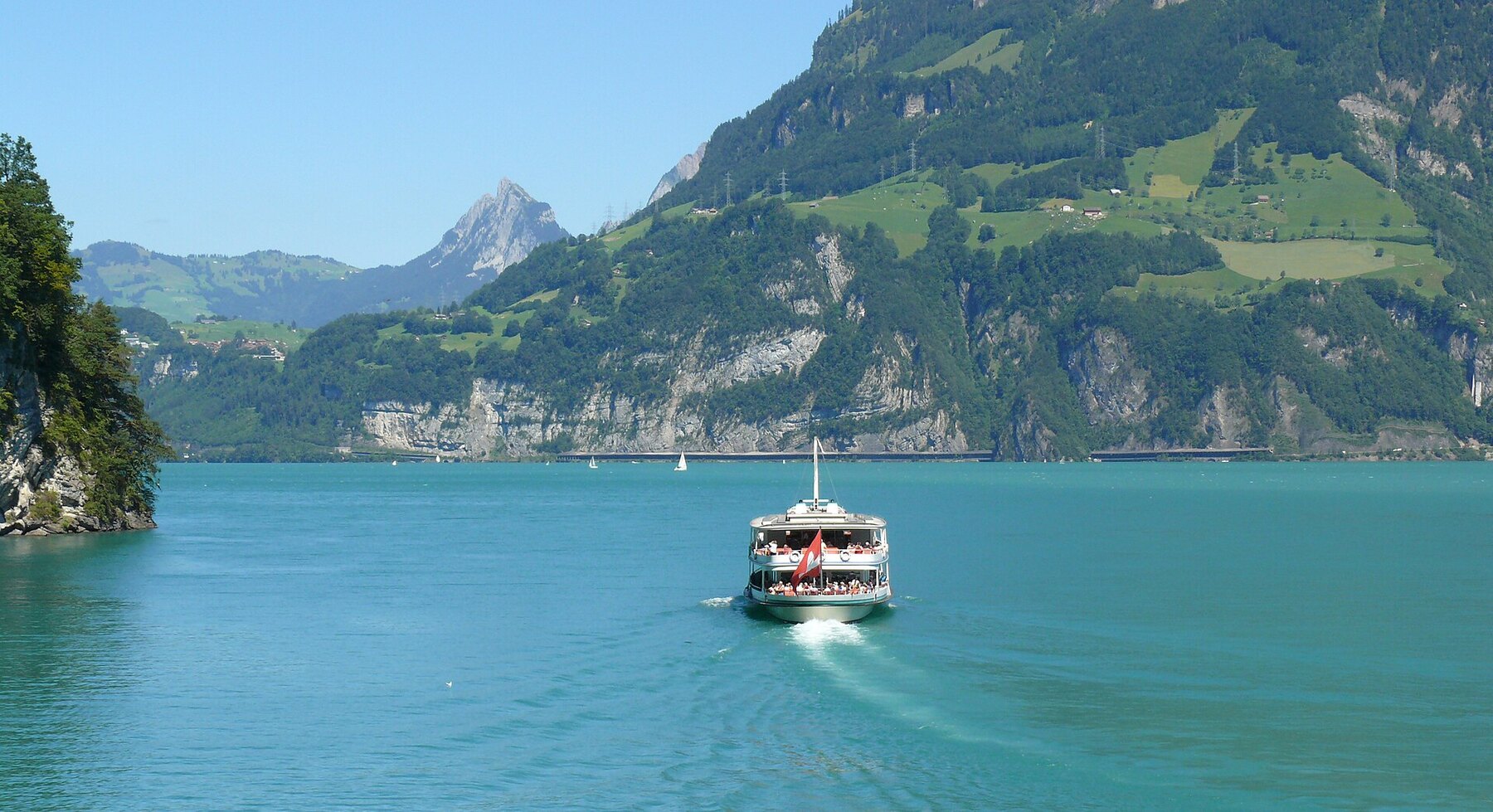
Central Switzerland offers Lucerne, Lake Lucerne, Rigi, Pilatus and foundational national history. This is the kind of region where the trip improves when the itinerary slows down: stay long enough to understand local transport, food and landscape rather than treating the area as a single photo stop. Regional bases also make it easier to visit smaller towns and natural sites early or late in the day, outside the main excursion rush.
Ticino
Ticino offers Italian-speaking towns, palms, lakes and warmer southern climate. This is the kind of region where the trip improves when the itinerary slows down: stay long enough to understand local transport, food and landscape rather than treating the area as a single photo stop. Regional bases also make it easier to visit smaller towns and natural sites early or late in the day, outside the main excursion rush.
Jura and Three-Lakes
Jura and Three-Lakes offers gentler mountains, watchmaking towns, vineyards and quieter rural travel. This is the kind of region where the trip improves when the itinerary slows down: stay long enough to understand local transport, food and landscape rather than treating the area as a single photo stop. Regional bases also make it easier to visit smaller towns and natural sites early or late in the day, outside the main excursion rush.
Beste tijd to visit Switzerland
There is no single best month for the whole country because geography, elevation and travel style matter more than national averages. In general, spring rewards travellers with longer days, greener landscapes and major cultural seasons before the busiest summer weeks. Early autumn often brings warm weather, harvest activity and a more relaxed pace. Summer is the natural choice for coasts, islands, lakes and high mountains, but major cities and famous attractions can be crowded and expensive. Winter suits museums, food-focused city trips and mountain regions, although daylight is shorter and some rural attractions reduce hours.
The best approach is to match the season to the route. A city-and-museum trip can work in almost any month. A mountain crossing, beach holiday or island-hopping itinerary is more climate-sensitive. Travellers who can shift dates by even two or three weeks outside peak school-holiday periods often gain better prices, easier reservations and a more local atmosphere.
Getting around
Switzerland’s integrated train, bus and boat system is exceptionally useful; many mountain bestemmingen are easier without a car. Travel costs are high, so transport passes, grocery meals and advance accommodation planning can significantly affect a budget.
Within cities, public transport and walking are generally preferable to driving. Historic centres can have pedestrian zones, limited parking, congestion controls or narrow streets. Regional transport apps and official rail websites are usually more reliable than assuming a route will work exactly as it does on a map.
Summer is ideal for hiking and lake travel, winter for snow sports, and late spring or early autumn for quieter city-and-mountain combinations. Mountain weather and cable-car maintenance schedules matter; always check local conditions before high-elevation excursions.
For multi-city travel, avoid changing hotels every night. Two or three nights in a base city usually creates a better balance between sightseeing and actual experience. Day trips can then expand the route without constant packing.
Suggested itineraries
7-day classic
Route: Zurich → Lucerne → Interlaken → Bern. This itinerary works best when each major stop receives enough time for one headline attraction, one neighbourhood walk, one food experience and one slower half-day. If the route feels rushed, remove a stop rather than turning the trip into a sequence of transport connections.
10-day Alps
Route: Lucerne → Jungfrau region → Zermatt → Montreux. This itinerary works best when each major stop receives enough time for one headline attraction, one neighbourhood walk, one food experience and one slower half-day. If the route feels rushed, remove a stop rather than turning the trip into a sequence of transport connections.
10-day cities and lakes
Route: Zurich → Bern → Lausanne → Geneva → Lucerne. This itinerary works best when each major stop receives enough time for one headline attraction, one neighbourhood walk, one food experience and one slower half-day. If the route feels rushed, remove a stop rather than turning the trip into a sequence of transport connections.
14-day panoramic rail
Route: Zurich → St. Moritz → Glacier Express route → Zermatt → Lake Geneva → Bern. This itinerary works best when each major stop receives enough time for one headline attraction, one neighbourhood walk, one food experience and one slower half-day. If the route feels rushed, remove a stop rather than turning the trip into a sequence of transport connections.
Responsible and sustainable travel
A strong trip should support the places being visited rather than simply consume them. In Switzerland, that means using rail and public transport when practical, staying longer in fewer places, choosing locally owned businesses, respecting residential streets and natural areas, and avoiding behaviour that turns historic centres into theme parks.
Overtourism is concentrated rather than universal. A country can receive millions of visitors while large areas remain lightly visited. Travellers can reduce pressure by exploring secondary cities, travelling outside peak weekends and discovering regions beyond the most famous social-media locations. This often produces a better trip as well: prices are lower, conversations are easier and the destination feels less staged.
Nature tourism requires particular care. Stay on marked trails, follow local fire and weather warnings, do not disturb wildlife, and treat water as a limited resource in dry regions. In fragile historic sites, follow photography and access rules even when other visitors ignore them.
Practical travel checklist
Before departure, confirm passport and visa requirements for your nationality, travel insurance, driving rules if you plan to rent a car, and current transport disruptions. Carry a payment card but also keep a small amount of local cash for markets, rural businesses or machines that do not accept every foreign card. Download offline maps for rural and mountain areas, keep digital and physical copies of important documents, and store emergency numbers separately from your phone.
Accommodation location matters as much as star rating. A slightly simpler hotel near a rail or metro station can save hours over a week. In historic towns, check whether a property is reachable by car or only on foot. In mountain and island bestemmingen, confirm the last bus, ferry or cable-car time before committing to a day trip.
Finally, leave unplanned time. The strongest travel memories often come from a market, a neighbourhood café, a scenic train ride, a conversation or a small museum that was never on the original list. A detailed guide should help visitors understand their options, not force every hour into a schedule.
Frequently asked questions about Switzerland
Is Switzerland good for a first trip to Europe?
For many travellers, yes. It has strong transport links, a wide range of accommodation, internationally recognised attractions and enough regional variety to build trips of different lengths. The best choice depends on interests, budget and season.
How long should I spend in Switzerland?
A first visit can work in seven to ten days if the route focuses on two or three bases. Two weeks allows a better mix of major cities and regional landscapes. Longer stays are especially rewarding for travellers who want islands, mountains, rural areas or several cultural regions.
Do I need a car?
Not for a city-focused itinerary. Rail and public transport cover many major routes. A car becomes useful for rural regions, remote coastlines, mountain valleys and small villages, depending on the country and region.
What is the best season?
Spring and early autumn are the most flexible for mixed itineraries, while summer suits high mountains and coasts and winter favours museums, cities and snow regions. Always check regional conditions rather than relying on a national average.
Is the capital enough?
No. The capital is an excellent introduction, but regional cities and landscapes often reveal more about food, local identity and everyday life. A balanced itinerary should include at least one destination beyond the capital region.
How should I plan food experiences?
Research regional specialties before arrival, visit markets early in the trip, and ask what is seasonal. Reserve a small number of special meals but leave room for spontaneous local places. The goal is not to chase a list of famous dishes; it is to understand how food connects to the region.
Eight trusted resources for Switzerland
Authoritative sources used to verify and expand the geography, culture, history, society and travel information in this guide.
- 01Switzerland Tourism
Official Swiss tourism website.
- 02UNESCO — Switzerland
World Heritage properties in Switzerland.
- 03Encyclopaedia Britannica — Switzerland
Historical and geographical overview.
- 04OECD — Switzerland
Economic and social research.
- 05World Bank — Switzerland
Economic and development indicators.
- 06Federal Statistical Office
Official Swiss statistics.
- 07Swiss Government
Official federal information.
- 08Swiss National Museum
Swiss cultural and historical collections.
Eight perspectives on Switzerland
Rather than isolated quotations, these are concise, attributed summaries of how writers, artists and observers experienced or interpreted the country.
Jean-Jacques Rousseau
Rousseau repeatedly associated Swiss lakes and mountains with memory, solitude and freedom.
Lord Byron
Byron's time around Lake Geneva helped make the region one of the central landscapes of European Romanticism.
Mary Shelley
Shelley's stay near Geneva formed part of the famous 1816 summer in which the origins of Frankenstein took shape.
Mark Twain
Twain travelled through Switzerland with characteristic humour, describing Alpine tourism, walking, hotels and spectacular scenery.
Johann Wolfgang von Goethe
Goethe visited Switzerland repeatedly and recorded the dramatic effect of Alpine landscapes on travellers and artists.
J. R. R. Tolkien
Tolkien later recalled a youthful walking journey in Switzerland whose mountain scenery influenced his imaginative landscapes.
Charles Dickens
Dickens travelled through Switzerland and wrote about mountain routes, towns and the rapidly developing culture of Alpine tourism.
Victor Hugo
Hugo's travel writing reflects the nineteenth-century fascination with Switzerland's mountain passes, lakes and border landscapes.
Eight people who helped shape Switzerland's global story
Science, literature, art, music and sport: a quick introduction to people strongly associated with the country.
Leonhard Euler
Basel-born Euler made fundamental contributions across mathematics, physics, mechanics and astronomy.
Carl Jung
Swiss psychiatrist Jung founded analytical psychology and became one of the most influential figures in twentieth-century psychology.
Henri Dunant
Geneva-born Dunant helped inspire the creation of the International Committee of the Red Cross and received the first Nobel Peace Prize.
Alberto Giacometti
Born in the Swiss canton of Graubünden, Giacometti became internationally famous for his elongated sculptures of the human figure.
Johanna Spyri
Spyri created Heidi, one of the world's best-known children's novels and an enduring literary image of the Swiss Alps.
Le Corbusier
Born in La Chaux-de-Fonds, Charles-Édouard Jeanneret, known as Le Corbusier, became a major figure in modern architecture.
Paul Klee
Born near Bern, Klee developed a highly individual modernist language combining colour, abstraction and drawing.
Roger Federer
Basel-born Federer became one of Switzerland's most successful and internationally recognized athletes.
Acht nuttige links
Four Videuro internal links and four authoritative external references create a stronger information path around the guide.