Paris
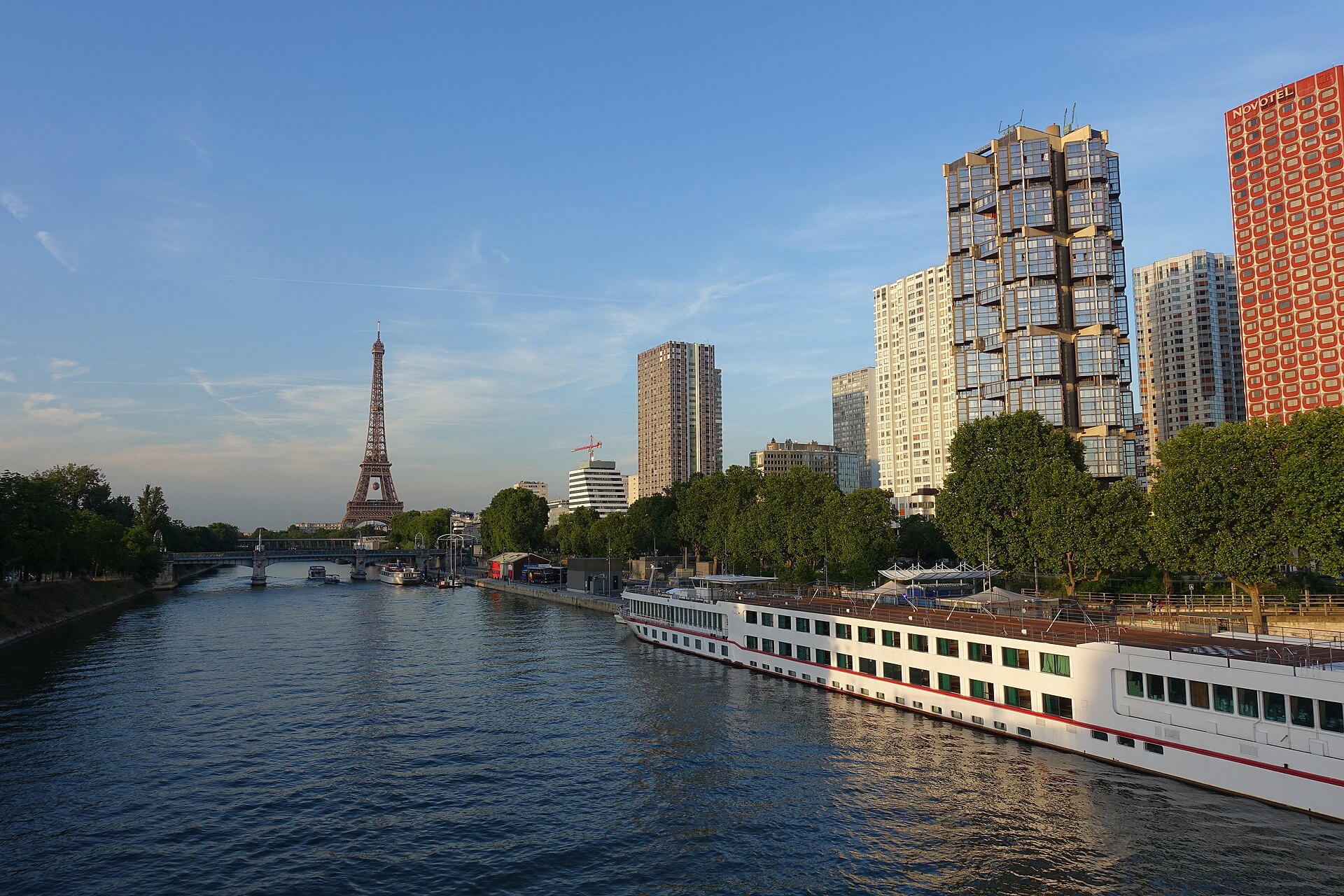
France's capital combines monumental architecture, major museums, historic neighbourhoods, markets and café life.
Start with the landmarks, then look closer at the landscapes, culture and local character around them.
France's capital combines monumental architecture, major museums, historic neighbourhoods, markets and café life.
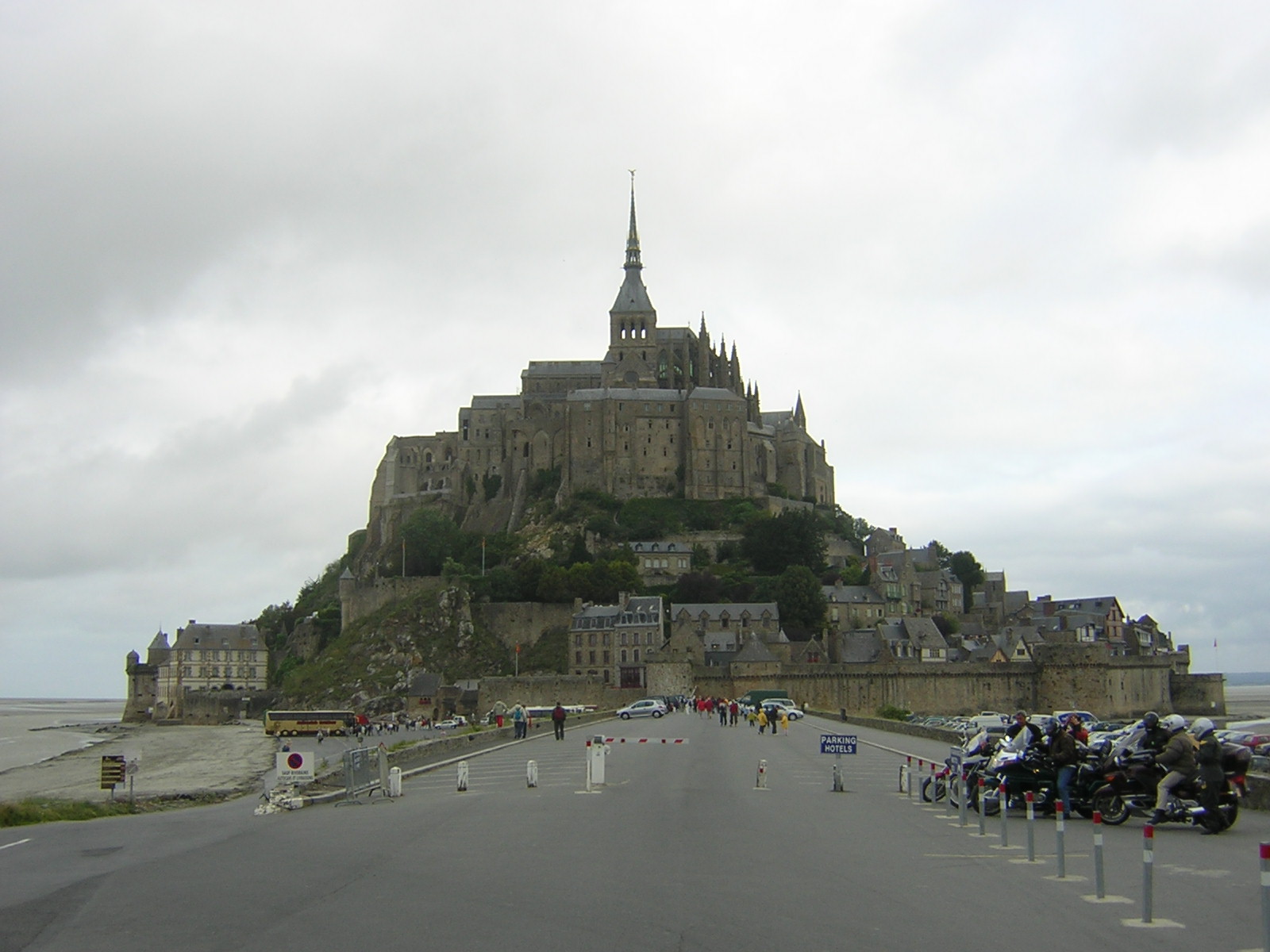
A medieval abbey settlement rising from a tidal bay, with narrow historic streets and dramatic coastal scenery.
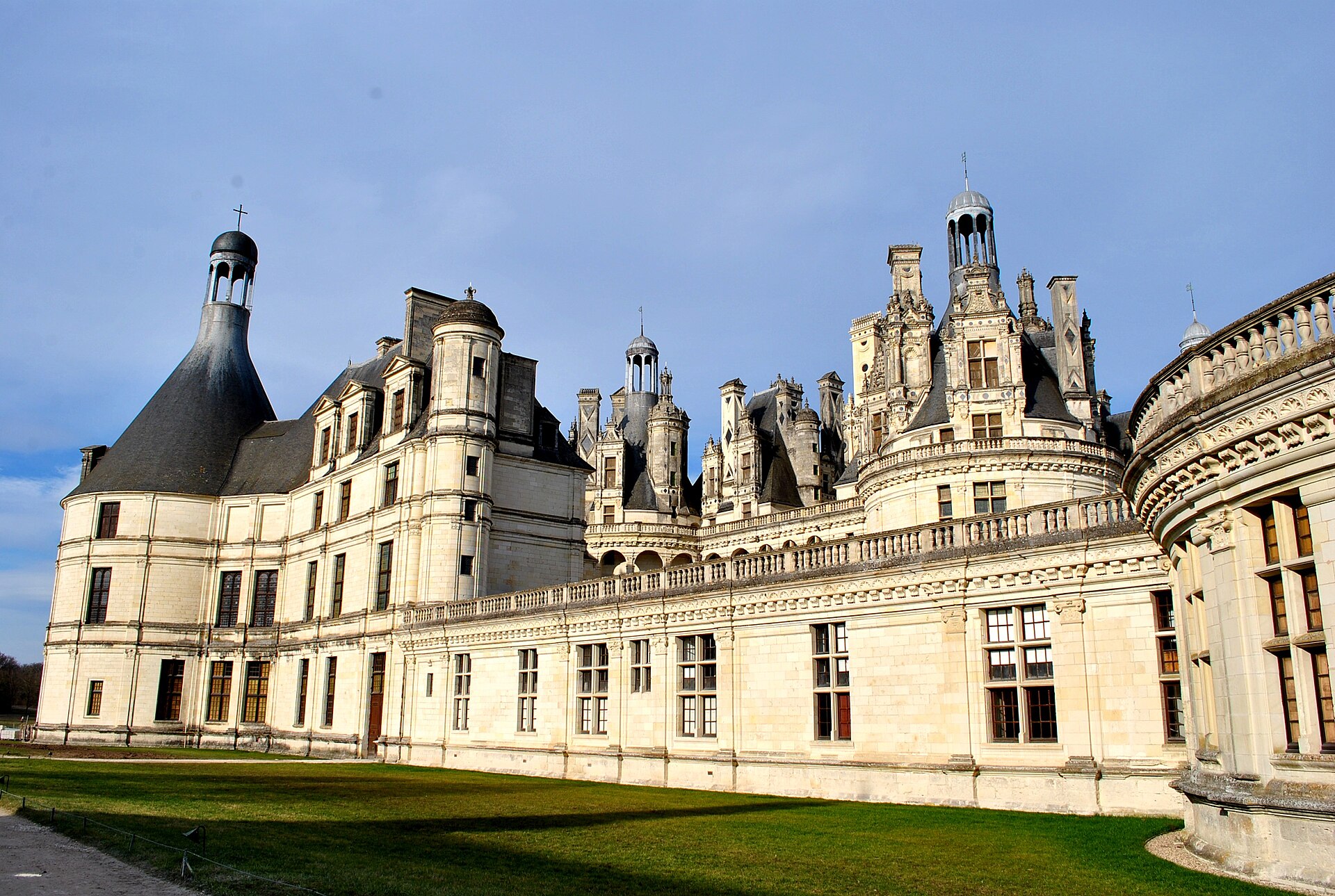
A broad cultural landscape of historic châteaux, vineyards, riverside towns, gardens and quiet countryside.
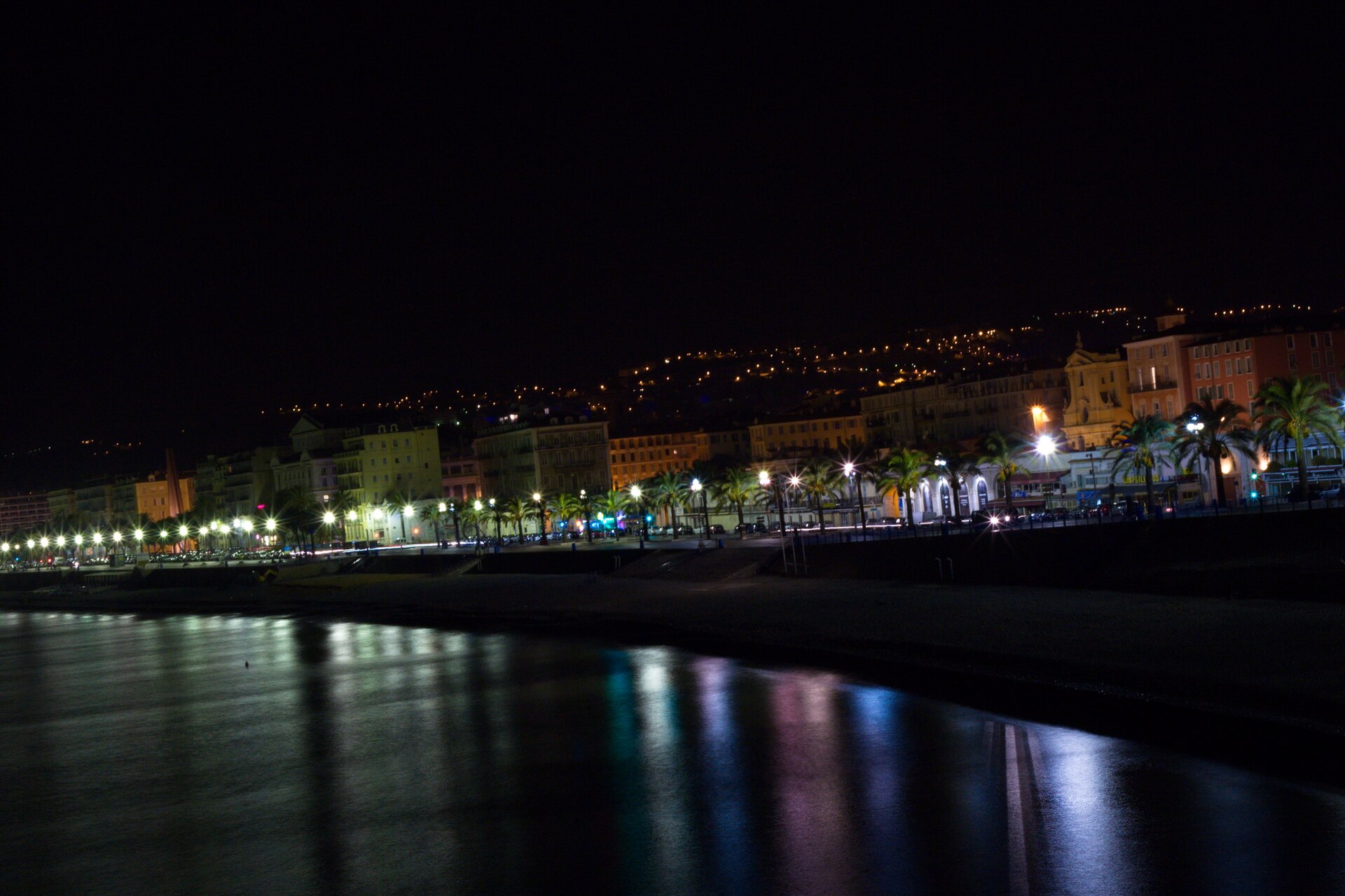
Mediterranean beaches, seaside promenades, colourful old towns and hilltop villages define France's southeast coast.
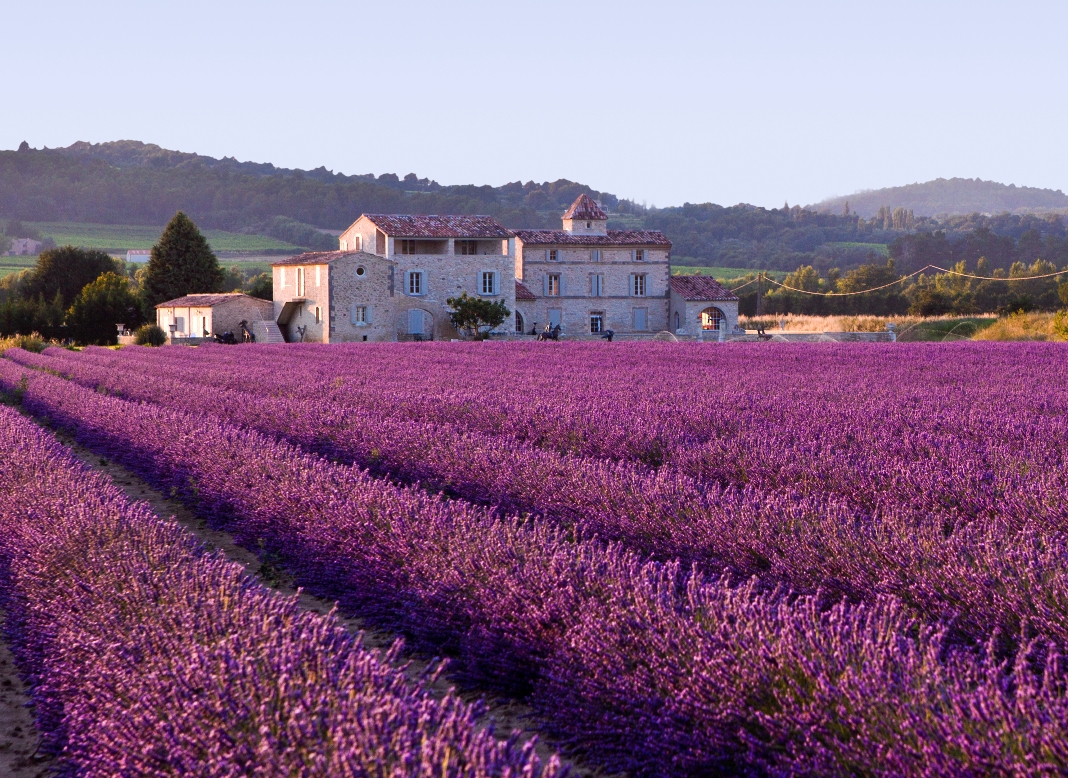
Historic villages, open-air markets, vineyards, olive groves and Mediterranean landscapes make Provence ideal for slower travel.
A simple rhythm for a first trip to France.
Walk first. Learn the neighbourhood rhythm, use cafés and markets as anchors, and keep the first day intentionally light.
Move beyond the capital and give a regional town, landscape or historic area enough time to feel different.
Keep one part of the itinerary open for the restaurant, road, market or town that was never on the original list.
Use geography to understand the route, then let curiosity decide what happens between the stops.
Deeper guides, itineraries and local perspectives for planning a richer journey.
Explore France in depth: geography, political system, economy, history, culture, food, regions, major cities, tourism and practical travel planning.
↗Published country articles will appear here automatically.
+Published country articles will appear here automatically.
+Art, cuisine & romance.
Follow café-lined boulevards, Atlantic villages and lavender roads through one of Europe’s most cinematic destinations.
Art, cuisine & romance.
Discover France through the places, people and everyday experiences that give the destination its character. Start with the familiar, then leave room for the details that rarely make it onto a checklist.
Start in Paris, but do not treat the capital as the whole country. Walk neighbourhoods, use local cafés and markets as anchors, and leave time for museums, river walks and ordinary city life.
Good for · First day orientationFrance changes quickly once you leave Paris. Normandy, Brittany, Alsace, Provence, the Alps, the Atlantic coast and the Mediterranean all offer very different landscapes, food and local character.
Good for · Day trips & slower travelRegional food is one of the easiest ways to understand France. Markets, bakeries, cafés, cheese, wine regions and local dishes vary enormously from one part of the country to another.
Good for · Food, culture & local lifeEssential facts, local structure, languages and some of the places travellers most often come to experience.
Begin with the icons, then leave enough room to discover something that was never on the itinerary.
Paris combines grand boulevards, neighbourhood cafés, major museums and some of Europe's most recognisable architecture. The Eiffel Tower is the obvious symbol, but the experience is much bigger than one monument.
A medieval abbey rising dramatically above a tidal bay in Normandy. Come for the architecture and views, but leave enough time to experience the changing landscape around the island.
Mediterranean towns, beaches, seaside promenades and hilltop villages stretch along France's southeast coast. Nice, Cannes, Antibes and nearby villages make this one of the country's classic slow-travel regions.
Known for historic châteaux, riverside towns, vineyards and gentle countryside. It works especially well as a road-trip or rail-based contrast to the pace of Paris.
Stone villages, markets, vineyards, olive groves and Mediterranean light define Provence. The region is best enjoyed slowly, with time for local food and smaller places between the famous stops.
Population values are rounded estimates. Administrative structures and travel information may change over time.
Famous sights are only the beginning. Discover the cities, regions, food and everyday experiences that give France its character.
See where France sits in Europe, then build your own route around the stories that interest you.
ssdsg
A practical introduction to the country’s major destinations, cities and travel experiences.
Culture, traditions, communities and everyday life.
Historical background, heritage and the events that shaped the country.
Cuisine, regional food, markets and local everyday experiences.
Landscapes, natural regions, countryside and outdoor destinations.
A look at contemporary cities, society, economy and modern life.
Give yourself enough time to notice the streets, cafés, markets and small details between landmarks.
Let one interesting place lead to another instead of trying to complete a rigid list.
The strongest memory is often a conversation, meal or unexpected place—not the famous attraction.
Continue across Europe and find the destination that fits the story you want to live next.